
Reform Research Peptides: A New Frontier in Scientific Study
The world of scientific research is in a constant state of evolution. Investigators and scientists are always searching for new tools and compounds that can unlock deeper understandings of biological processes. Among the most promising of these are research peptides—short chains of amino acids that serve as powerful signaling molecules in the body. While peptides themselves are not new, the purity, specificity, and availability of compounds like those from Reform Research Peptides are creating new opportunities for laboratory investigation.
This guide explores the growing significance of research peptides in the scientific community. We will examine what they are, how they are used, and why sourcing high-quality compounds is critical for obtaining valid, reproducible results. Specifically, we will look at products like Kisspeptin-10 (10mg) and the broader category of reform peptides to understand their application in laboratory settings. It’s important to stress from the outset that these compounds are intended strictly for in-vitro research and laboratory purposes only. They are not designed for human or animal consumption, and their use should be confined to controlled scientific environments by qualified professionals.
This article will provide a comprehensive overview for researchers considering where to find peptides online for sale, highlighting the importance of quality, and referencing reform research peptides reviews to paint a clearer picture of their role in modern science.
What Are Research Peptides?
Before focusing on specific examples, let’s establish a foundational understanding. Peptides are naturally occurring biological molecules. They are composed of amino acids linked together by peptide bonds. Structurally, they are similar to proteins but are smaller, typically containing 50 or fewer amino acids.
In a biological context, peptides act as signaling agents. They interact with receptors on cell surfaces to trigger specific physiological responses. This function makes them incredibly valuable for researchers studying cellular pathways, disease mechanisms, and potential therapeutic targets.
“Research peptides” are synthetically produced versions of these natural molecules, or modified variations, created for use in scientific experiments. The ability to synthesize them allows for the production of highly pure and specific compounds that can be used to study biological systems with precision. This is where companies specializing in reform peptides come into play—they provide the essential tools that drive discovery.
The Critical Importance of Purity and Quality
When researchers look for peptides online for sale, the most crucial factor to consider is the purity of the product. The integrity of any scientific experiment depends on the quality of the materials used. Impurities or incorrectly synthesized peptides can lead to misleading or entirely incorrect results, wasting valuable time, resources, and potentially derailing an entire research project.
High-purity peptides ensure that the observed effects are genuinely due to the compound being studied and not some unknown contaminant. Leading suppliers in the research chemical space, often highlighted in positive reform research peptides reviews, dedicate significant resources to quality control. This typically involves:
- High-Performance Liquid Chromatography (HPLC): This technique is used to separate, identify, and quantify each component in a mixture, verifying the peptide’s identity and purity.
- Mass Spectrometry (MS): This analysis confirms the molecular weight of the peptide, ensuring it has been synthesized correctly.
Researchers must demand this level of verification. Sourcing from reputable suppliers who provide certificates of analysis (COA) for their products is not just a best practice; it is a fundamental requirement for credible scientific work. These compounds are powerful, and their effects must be studied in their purest form to yield meaningful data.
Reform Research Peptides: A Case for Quality
The term “reform peptides” often refers to a class of next-generation, high-purity research compounds designed to meet the rigorous standards of modern laboratories. Reform Research Peptides is one such entity that has gained attention for its commitment to providing these high-grade tools to the scientific community.
The focus is squarely on facilitating research. When scientists purchase these peptides, they are not buying a finished product for application; they are acquiring a highly specific key to unlock a biological lock. The goal is to understand the mechanism, not to elicit a final therapeutic effect in a living organism. This distinction is vital. The products are intended for in-vitro (in glass, e.g., cell cultures) and laboratory-based studies.
This commitment to the research community is often reflected in reform research peptides reviews. These reviews frequently highlight the reliability of the products, consistency between batches, and the quality of the data they help generate. For a research team, knowing that their primary compounds are dependable allows them to focus on experimental design and data interpretation, rather than questioning their materials.
A Spotlight on Kisspeptin-10 (10mg)
To make the discussion more concrete, let’s examine a specific research peptide that has garnered significant interest: Kisspeptin-10.
Kisspeptin, and its various fragments like Kisspeptin-10, are peptides encoded by the KISS1 gene. They are most famous for their role as crucial regulators of the reproductive system. Kisspeptin neurons in the hypothalamus act as a primary driver of gonadotropin-releasing hormone (GnRH) secretion. This, in turn, controls the release of luteinizing hormone (LH) and follicle-stimulating hormone (FSH) from the pituitary gland, which are essential for fertility and reproductive function in both males and females.
Why is Kisspeptin-10 Studied?
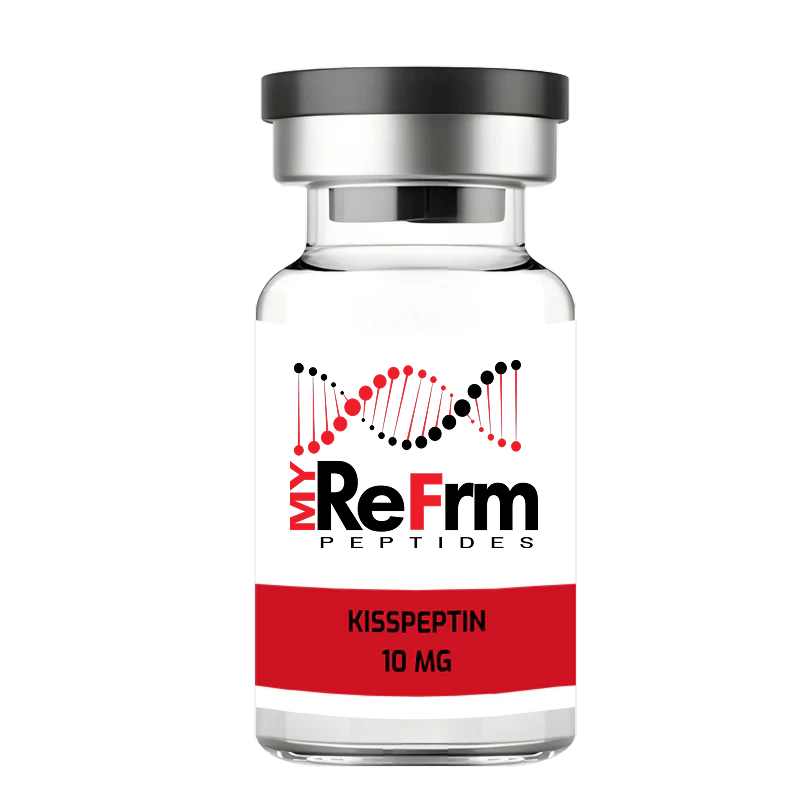
Researchers are fascinated by Kisspeptin-10 for several reasons:
- Reproductive Science: It is a fundamental tool for scientists investigating the hormonal cascade that governs puberty, fertility, and reproductive disorders. By using Kisspeptin-10 (10mg) in a laboratory setting, researchers can stimulate GnRH neurons in tissue samples to study their response under various conditions.
- Neuroscience: The Kisspeptin system is not just about reproduction. Receptors are found in various parts of the brain, suggesting roles in mood, behavior, and metabolism. Research in these areas is still in its early stages but holds great promise.
- Metabolic Studies: Emerging evidence links Kisspeptin signaling to the regulation of appetite and energy expenditure, opening up new avenues for understanding the interplay between metabolism and reproduction.
When a lab sources Kisspeptin-10 (10mg), they are obtaining a precise tool to activate the Kisspeptin receptor (KISS1R, also known as GPR54). A typical in-vitro experiment might involve applying Kisspeptin-10 to a culture of hypothalamic neurons and measuring the subsequent release of GnRH. This allows researchers to study how other factors, such as hormones, nutrients, or potential drug compounds, might modulate this critical pathway. The availability of high-purity Kisspeptin-10 is indispensable for this work.
Understanding the “R10 Peptide” Designation
In the research community, shorthand and specific nomenclatures are common. While “R10 peptide” is not a universally standardized term, it often appears in forums and discussions. It is frequently used to refer to peptides within a particular research category or from a specific supplier line, sometimes relating to fragments of a larger peptide that are 10 amino acids long, like Kisspeptin-10.
In other contexts, “R10” could be a manufacturer’s internal catalog number or a shorthand used by a specific research group. When encountering a term like R10 peptide, it is crucial for a researcher to cross-reference it with the supplier’s official documentation (like a COA) to confirm its exact chemical structure and identity. This prevents ambiguity and ensures the correct compound is being used for the intended experiment. The broader context of reform research peptides is to bring clarity and standardization to a field where such ambiguity can be detrimental.
Finding Peptides Online for Sale: A Researcher’s Guide
The internet has made it easier than ever for laboratories to source materials. However, the ease of access comes with risks. The market for peptides online for sale is vast and unregulated, making due diligence by the researcher absolutely essential.
Here are key considerations for any lab looking to purchase research peptides online:
- Supplier Reputation: Look for established companies with a long history of supplying the research community. Seek out reviews and testimonials from other academic or commercial labs. Positive reform research peptides reviews, for example, can be an indicator of a reliable source.
- Transparency and Documentation: Does the supplier provide detailed information about their products? Reputable vendors will offer HPLC and MS data for each batch, confirming purity and identity. Avoid any seller that does not provide a COA.
- Explicit Research-Use-Only Policy: Legitimate suppliers are very clear about the intended use of their products. Their websites, packaging, and documentation will prominently state that the compounds are “for research purposes only” and “not for human consumption.” This is a hallmark of an ethical and responsible company.
- Customer Support: A good supplier will have knowledgeable staff who can answer technical questions about their products, including solubility, stability, and proper handling procedures.
Navigating this landscape requires a discerning eye. The goal is to build a partnership with a supplier who understands the needs of the scientific community and is committed to upholding the highest standards of quality.
The Future of Peptide Research
The field of peptide research is expanding at an incredible pace. As our understanding of cellular signaling grows, so too does the library of synthetic peptides available to study it. From investigating new ways to tackle metabolic diseases to understanding the complex neural circuits that govern behavior, peptides are at the heart of many of today’s most exciting scientific frontiers.
Companies that provide high-quality reform peptides are more than just suppliers; they are enablers of this progress. By ensuring that researchers have access to reliable and pure compounds like Kisspeptin-10 and other specialized molecules, they are laying the groundwork for the discoveries of tomorrow.
Your Responsibilities as a Researcher
The power of research peptides comes with significant responsibility. Anyone working with these compounds must adhere to strict safety and ethical guidelines.
- Intended Use: Never use a research peptide for any purpose other than what it is intended for. These are not supplements, drugs, or lifestyle products. They are potent chemicals for laboratory investigation.
- Proper Handling: Always use appropriate personal protective equipment (PPE), such as gloves and safety glasses, when handling research peptides. Follow the supplier’s instructions for storage and reconstitution to maintain the compound’s integrity.
- Ethical Conduct: All research should be conducted within the ethical and legal frameworks governing scientific inquiry. This includes obtaining any necessary approvals for experimental protocols.
By upholding these responsibilities, the scientific community can continue to explore the vast potential of peptides safely and effectively, paving the way for breakthroughs that may one day improve human health and well-being. The journey of discovery is long, and it starts with the right tools, used in the right way.